



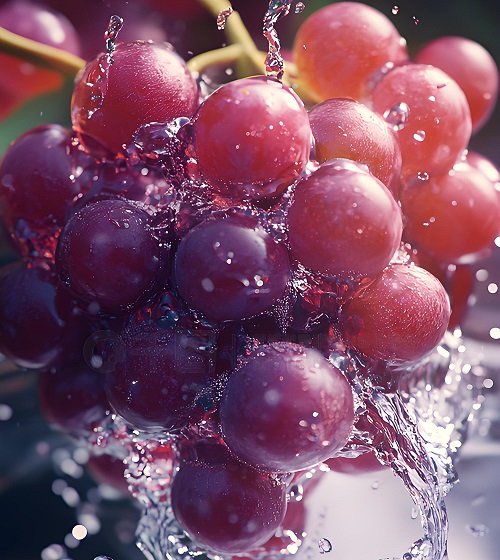
Buying fresh, vibrant fruit is one of the best ways to bring health and flavor to your table. However, we’ve all experienced the disappointment of finding a bowl of berries or a bag of apples spoiled before their time.
Understanding the science of fruit storage is the key to reducing food waste and enjoying peak freshness. Here is our essential guide to keeping your favorite fruits fresher for longer.
1. The Golden Rule: Ethylene Awareness
The biggest secret to fruit storage is a natural gas called Ethylene. Some fruits (like apples and bananas) are "super-producers" of this ripening hormone, while others are highly sensitive to it.
* Pro Tip: Keep ethylene producers (apples, avocados, bananas, pears) separate from ethylene-sensitive items (leafy greens, carrots, and berries) to prevent premature rotting.
2. Countertop vs. Refrigerator
Not every fruit belongs in the fridge. Cold temperatures can actually damage the texture and flavor of certain varieties.
* Store on the Counter:
* Bananas: Keep them in a bunch to slow down ripening, or hang them on a "banana tree" to prevent bruising.
* Citrus (Oranges, Lemons, Limes): They stay juicy and fragrant at room temperature for about a week.
* Tomatoes: Technically a fruit! Refrigeration makes them mealy. Keep them on the counter, stem-side down.
* Unripe Stone Fruits: Peaches, plums, and nectarines should ripen at room temperature first.
* Store in the Fridge:
* Apples: They stay crisp for weeks in the crisper drawer.
* Grapes & Cherries: Keep them in their original perforated bags to allow for airflow.
* Berries: Blueberries, strawberries, and raspberries are delicate. Store them in the fridge, but do not wash them until you are ready to eat.
3. Managing Moisture
Moisture is the enemy of longevity.
* The Paper Towel Trick: For berries or leafy fruits, line your storage container with a paper towel. It absorbs excess humidity that would otherwise lead to mold.
* Breathable Bags: Use perforated plastic bags or mesh bags for citrus and hardy fruits to ensure proper air circulation.
4. What About Cut Fruit?
Once a fruit is sliced, the "timer" speeds up.
* Always store cut fruit in airtight containers in the refrigerator.
* To prevent browning on apples or avocados, a light squeeze of lemon or lime juice works wonders by acting as a natural antioxidant.
Why It Matters
Proper storage isn't just about saving money—it's about sustainability. By extending the life of your produce, you reduce your environmental footprint and ensure your family gets the maximum nutritional value from every bite.
Stay tuned to our News section for more tips on sustainable living and healthy eating!


 Send Email
 售前客服
售前客服 WhatsApp